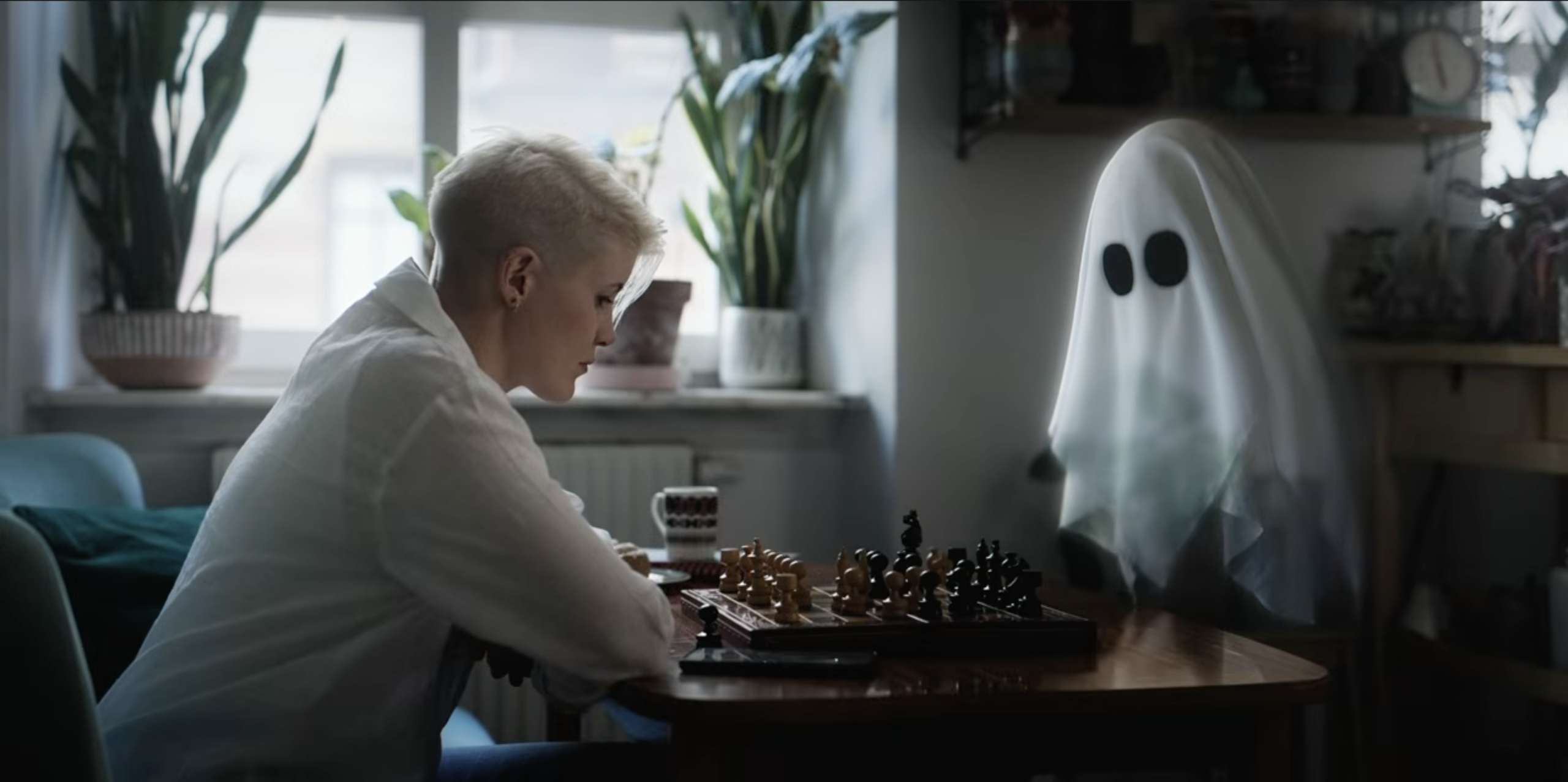
I’ve wondered in the past why writers and directors don’t lean on the found footage format for genres other than pure horror more often.
Review
Continue Reading
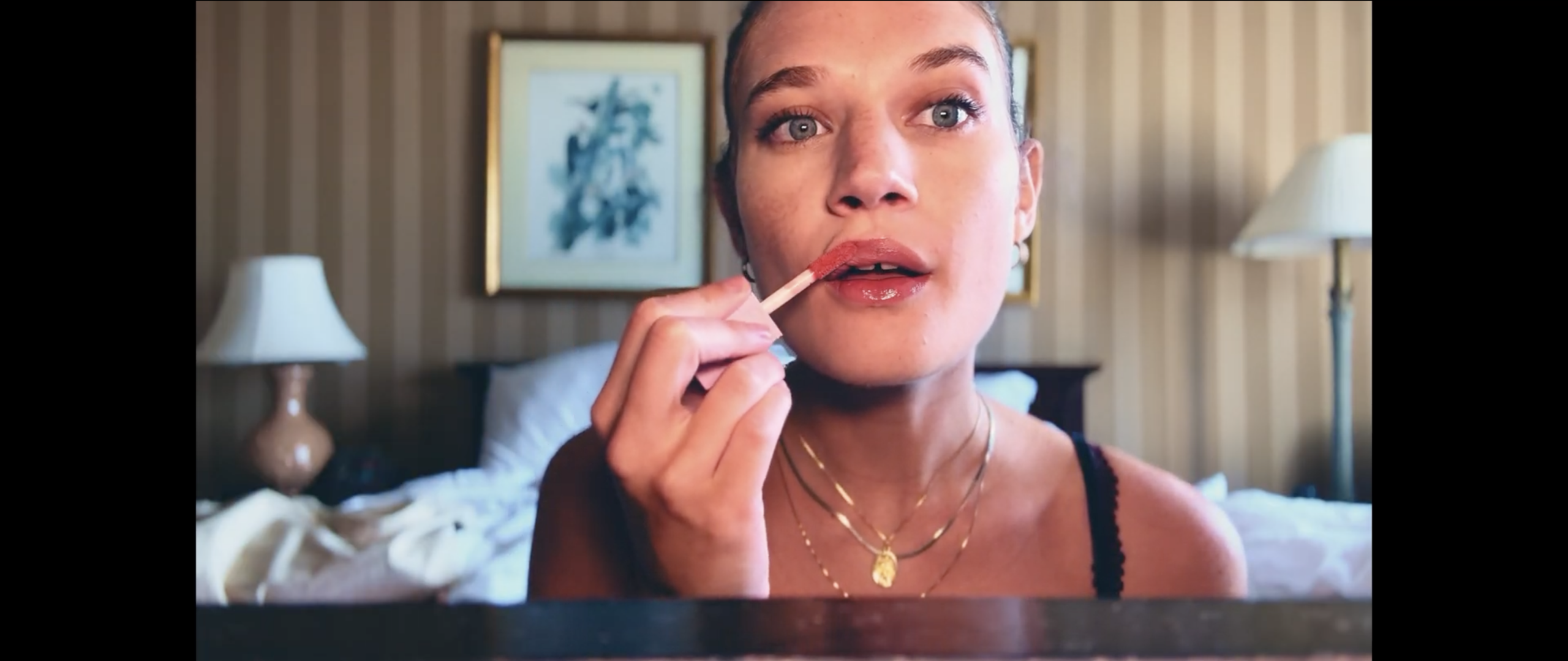
Sunset Smudge by Jesse LoCascio – A sun-drenched lie
When used as settings in movies and other stories, tropical locations are typically a place of escape or exotic thrill.
Review

Continue Reading
All Beauty Queens Have Broken Bones by Max Tullio – Beauty lies within
Young adulthood is a time of inner demons and outer beauty; of high demands and low autonomy.
Review

Continue Reading
Fever by Isabella Nemcik – Calling in sick
More young adults live with their parents now than in any previous generation.
Review

Continue Reading
The Discoverer of the Discoverers by C.S. Nicholson – On distant shores
In the sixteenth century, a man on the African coast of Kingdom of Whydah, land now known as Benin, saw a ship sailing in the distance.
Review

Continue Reading
Shoebox by D’Lo Louis – Reflections of youth
On the wall of teenager James’s bedroom is a vision board.
Review

Continue Reading
Anything Helps by Max DeFalco – It’s terminal
Cinema will always have a place for degrading cringe comedy.
Review
Continue Reading
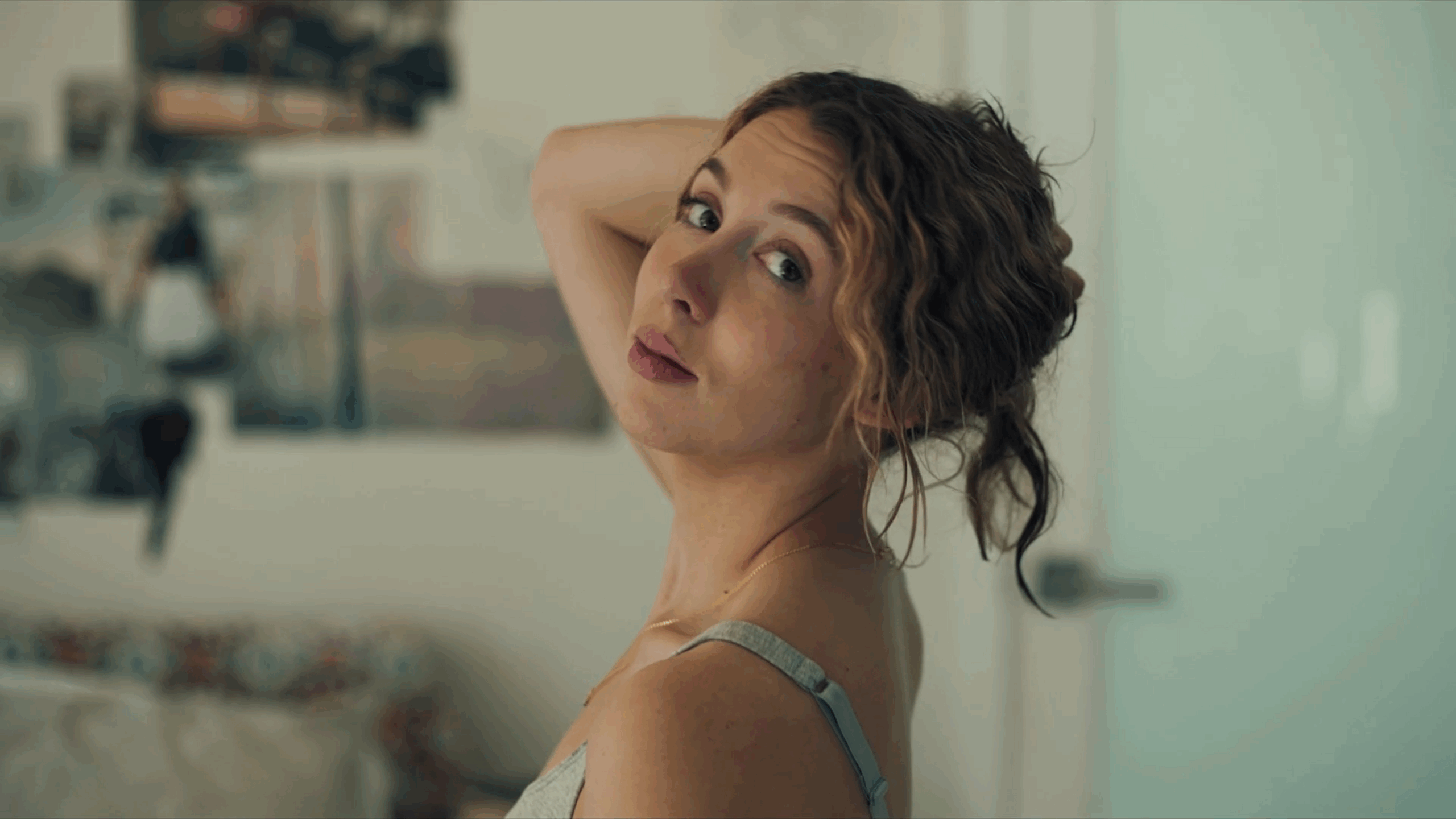
Dirty Towel by Callie Carpinteri – Stain remover
“Popping your cherry,” “losing your V-card,” “getting deflowered”
Review
Continue Reading
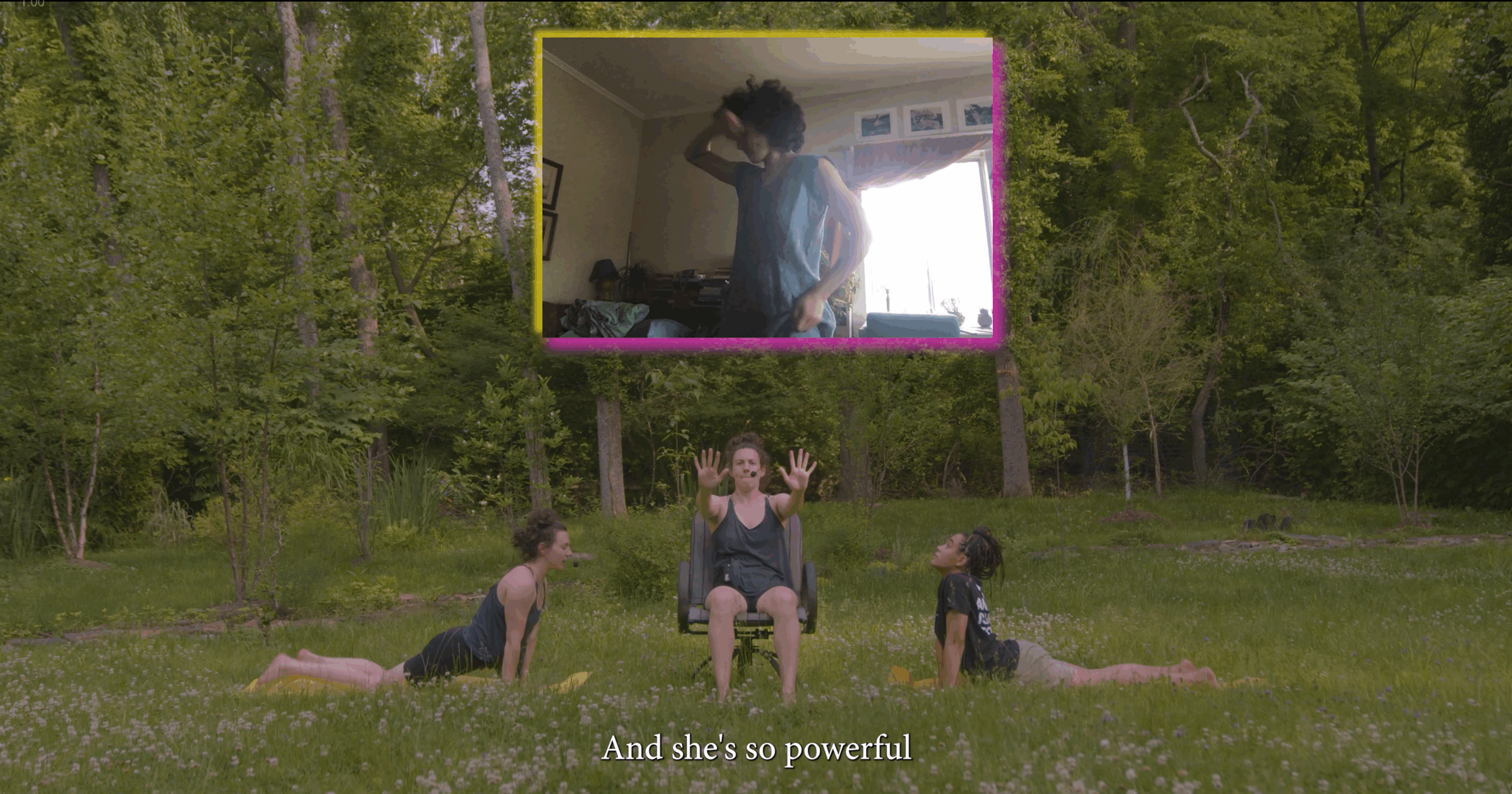
Verbal Diarrhea by Miriam Gabriel – Dance like everybody’s watching
When we have HD cameras in our pockets at all times and a dozen platforms on which to distribute whatever footage we choose to film, it’s easy to use filmed footage — once so expensive and limiting to create — to tell whatever kind of stories we want.
Review

Continue Reading
Robotica by Isabella Ivos – The machine never stops
One of the cruel ironies of the 21st century